The Florida Barber Exam covers far more than scissor technique and fade lines. The written portion tests academic knowledge across multiple subject areas, and many students are surprised by how much of the exam has nothing to do with hands-on barbering skills. Understanding the full scope of what is tested — and how much weight each topic carries — allows you to study strategically rather than just reading through everything and hoping for the best.
Florida Laws and DBPR Regulations
A significant portion of the Florida Barber Exam draws from Florida Statute 476 and the administrative rules set by the Department of Business and Professional Regulation. You need to know the requirements for obtaining and renewing a barber license in Florida, the rules around operating a licensed barber shop, what constitutes a violation of the statute, and the penalties that can follow. You should also understand the difference between a full barber license and a restricted barber license, and under what circumstances each applies. These questions require memorization — there is no way to reason through them without knowing the actual content of the law.
Sanitation and Infection Control
Sanitation is consistently one of the most heavily weighted areas on the Florida barber exam. You need to understand the difference between sanitation, disinfection, and sterilization — three distinct levels of microbial control that are not interchangeable. Sanitation reduces the number of pathogens to a safe level. Disinfection kills most pathogens on a surface using an EPA-registered disinfectant. Sterilization eliminates all microbial life and is achieved through methods such as autoclave (steam under pressure) or dry heat sterilization.
Expect questions about which implements require disinfection versus sterilization, how to properly prepare a disinfectant solution, contact time requirements, and how to handle implements after a service involving a client with a skin condition. Wet disinfectant containers, the proper disposal of single-use items, and the handling of blood or bodily fluid exposure are all testable topics.
Anatomy of Skin and Hair
The exam tests your knowledge of the structures of the skin and hair at a level that goes beyond basic familiarity. You need to know the layers of the skin — the epidermis, dermis, and subcutaneous tissue — and the specific cell types and functions within each layer. You also need to understand the anatomy of the hair follicle, including the papilla, cortex, medulla, cuticle, and sebaceous gland, as well as the three phases of the hair growth cycle: anagen, catagen, and telogen.
Scalp conditions and common skin disorders are also fair game. Knowing the difference between tinea capitis, seborrheic dermatitis, folliculitis, and other conditions you might encounter in a barbershop helps both on the exam and in your professional practice.
Chemical Services
Chemical services — including relaxers, permanent waves, and hair color — appear on the exam with enough frequency that you cannot afford to skip them. Know the pH scale and how it applies to chemical services, the difference between sodium hydroxide and ammonium thioglycolate relaxers, how permanent wave solution works on the disulfide bonds of the hair, and the importance of strand tests before any chemical application. You should also understand developer volumes and how oxidation works in permanent hair color.
Implements, Tools, and Equipment
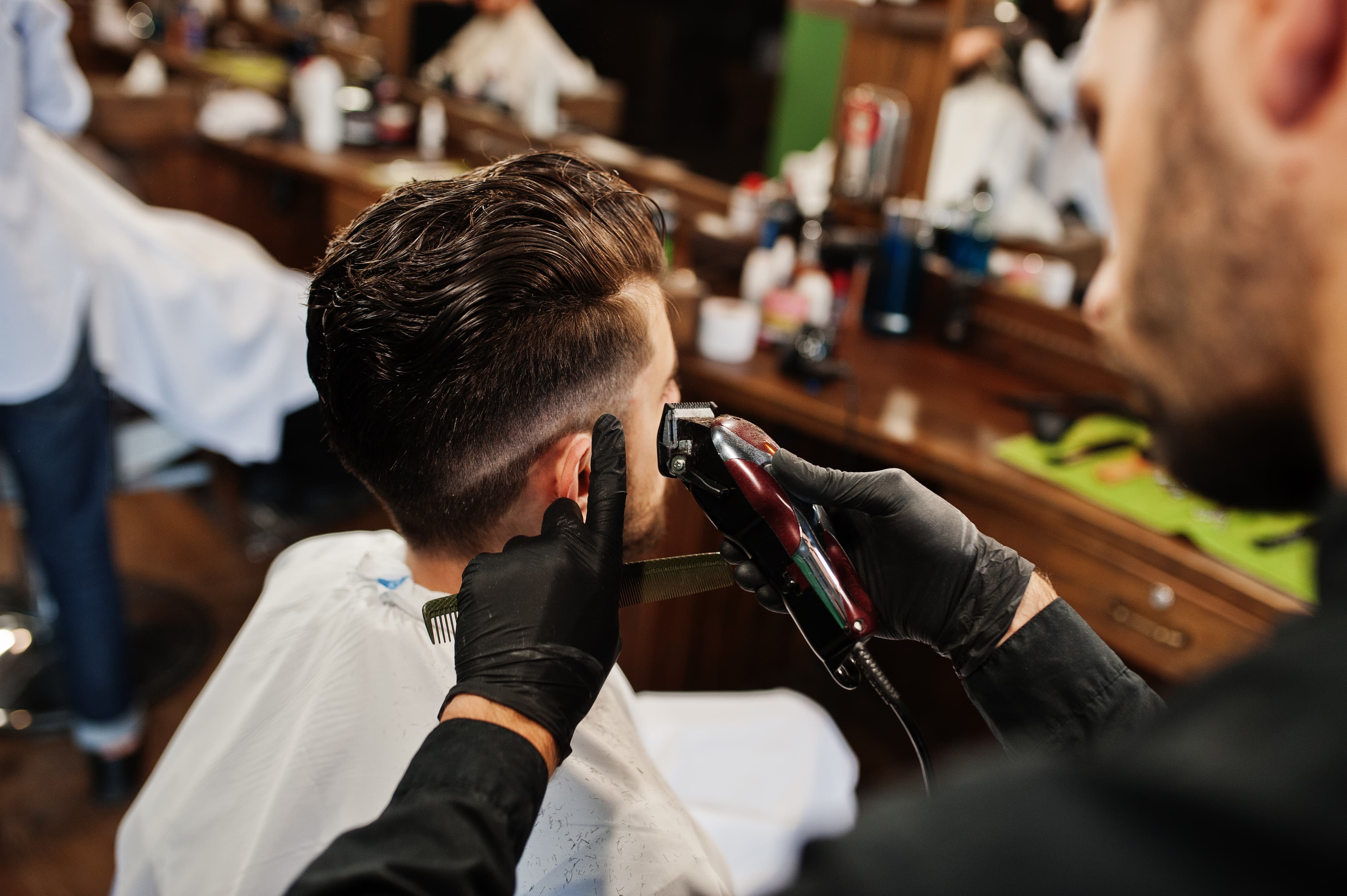
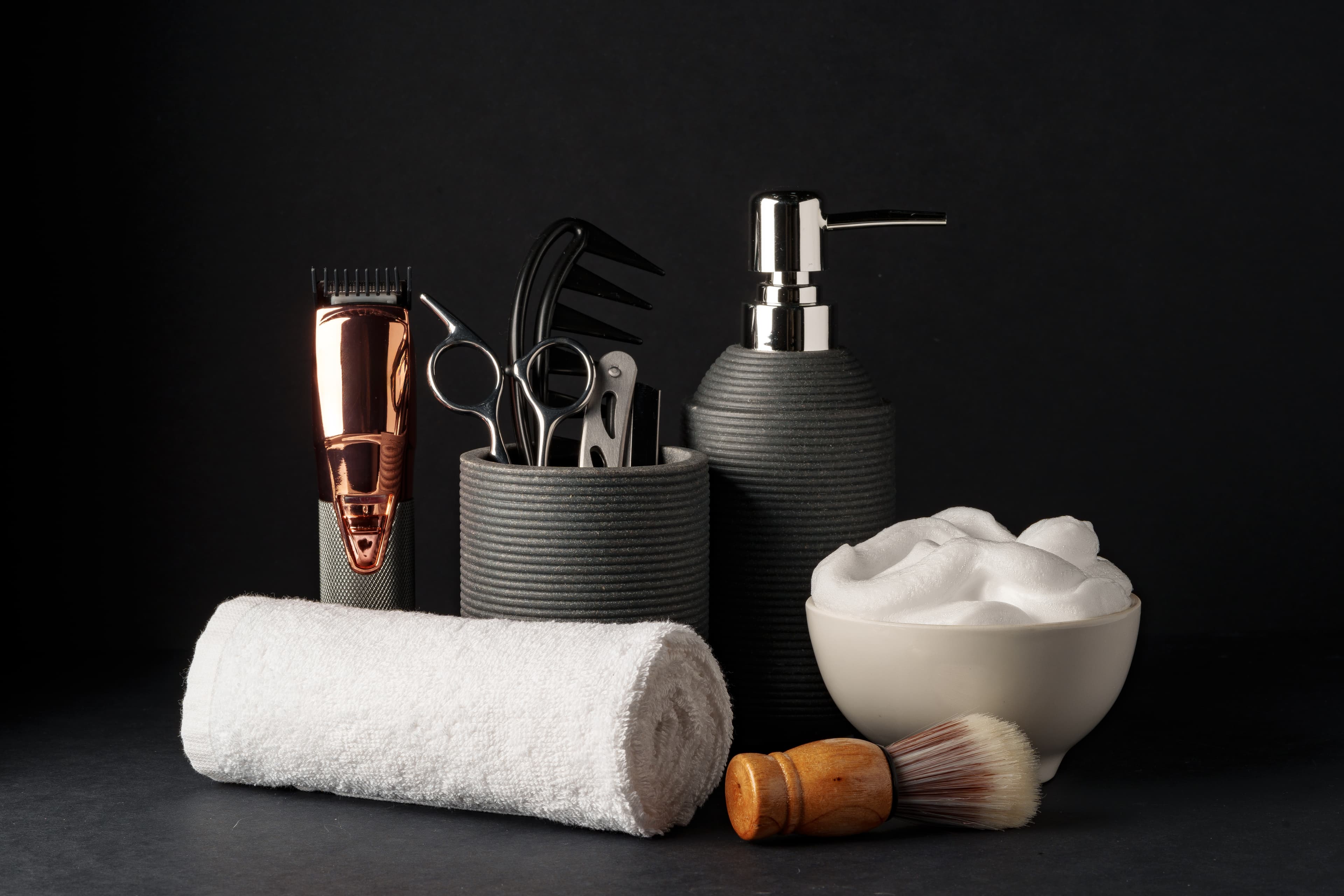
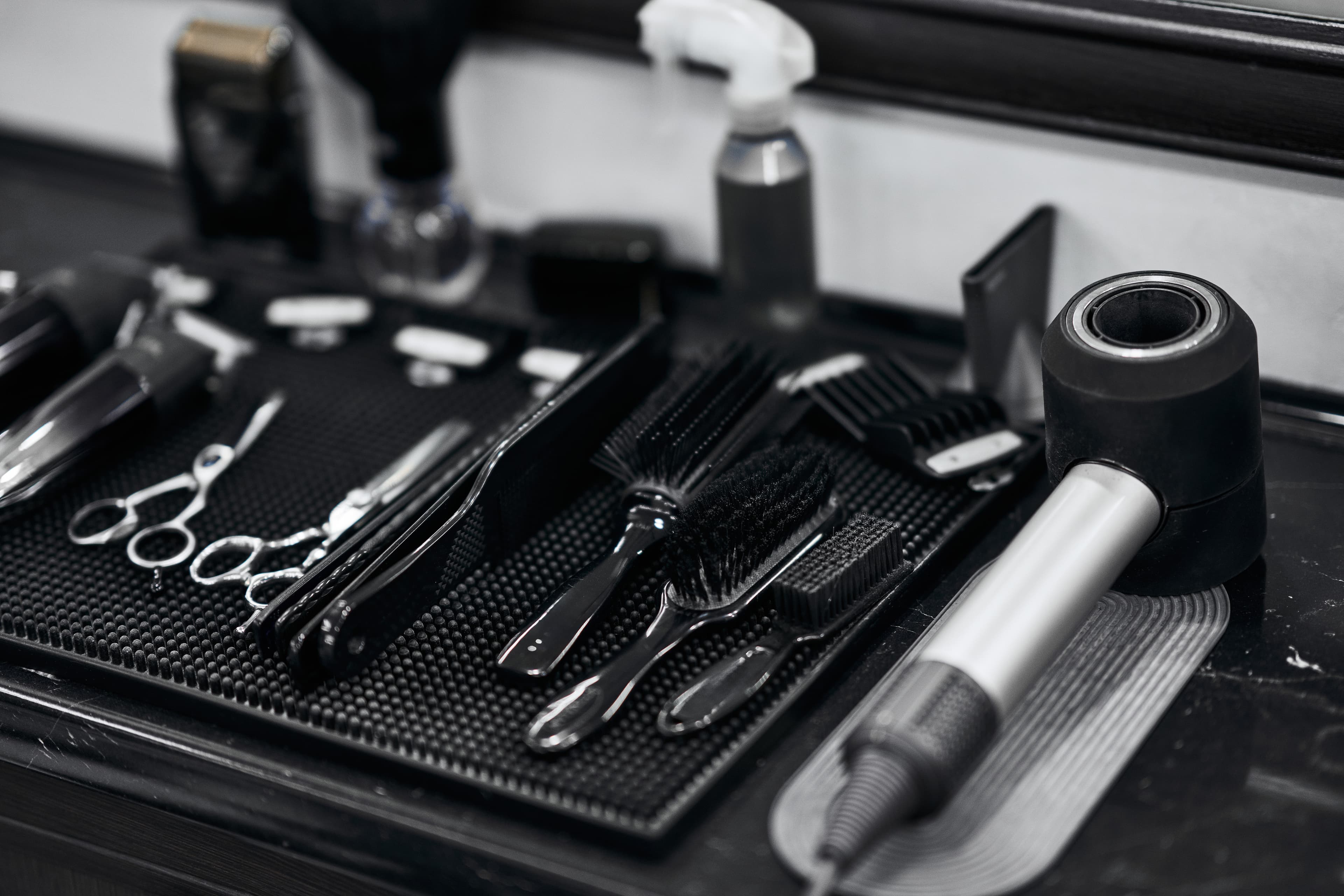
You will be tested on the proper names, uses, and care of barber implements including clippers, trimmers, shears, razors, and combs. Know the difference between a haircutting shear and a thinning shear, how to correctly strop a straight razor, and which tools are appropriate for which services. Questions about electric clipper maintenance — cleaning, oiling, and blade adjustment — also appear regularly.
Client Consultation and Professional Practices
Client consultation covers how to assess the client's hair type, scalp condition, and desired outcome before beginning a service. You should understand how to identify contraindications that would make a service inadvisable, such as visible scalp infections, open sores, or recent chemical services. Professional ethics, shop etiquette, and the principles of good communication are also part of the exam, though they typically make up a smaller percentage of the overall question pool.
How to Use This Information
Use this breakdown as a checklist when you build your study schedule. Allocate more time to the areas you know least — for most students, that is Florida law, anatomy, and sanitation protocols. Work through a structured study guide, reinforce key terms with flashcards, and practice applying your knowledge with mock exam questions before test day.